A New Era of Voice-Driven AI Interaction
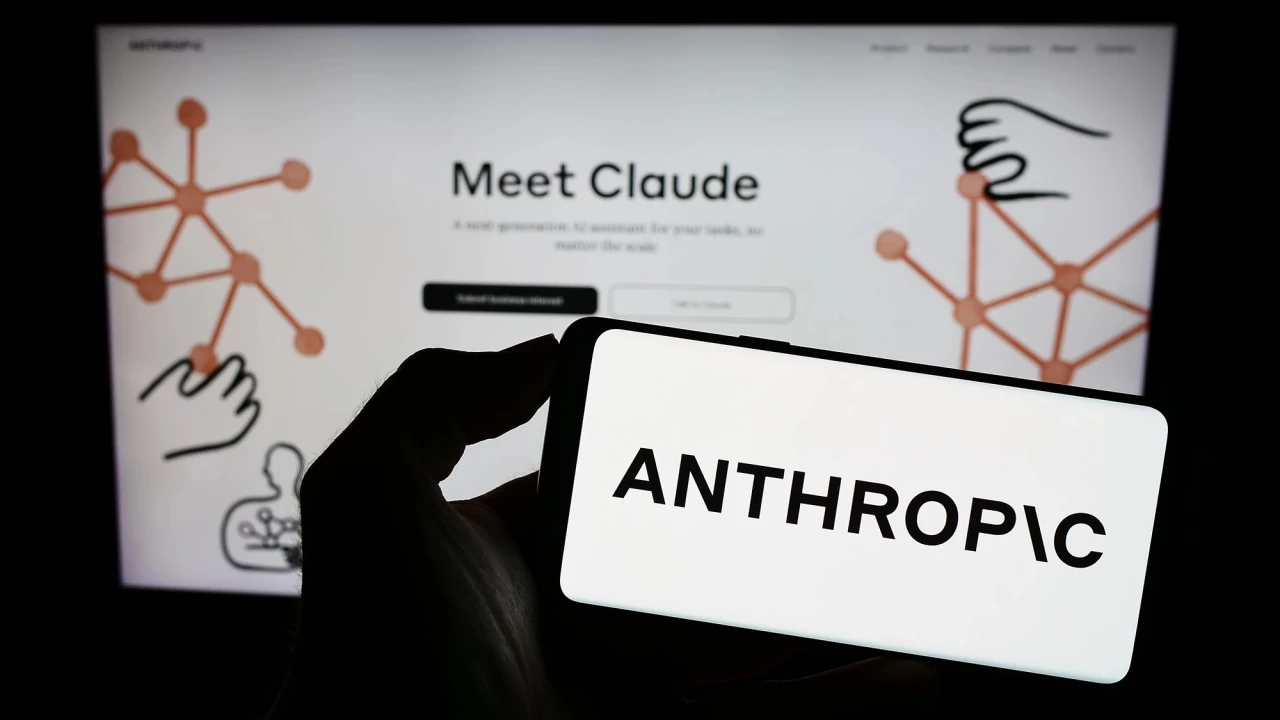
Anthropic has announced a significant upgrade to Claude's voice functionality, introducing more powerful underlying models that fundamentally expand what users can accomplish through spoken interaction. The enhancement marks a notable shift in how conversational AI handles complex, real-world tasks—moving beyond simple queries to sophisticated assistance with calendar management, written communication, and nuanced problem-solving.
What's Changed Under the Hood
The updated voice mode leverages Anthropic's latest Claude models, delivering substantially improved understanding of context, intent, and follow-up requests. This isn't merely incremental optimization; it represents a architectural leap that enables the AI to handle multifaceted tasks that previously required switching between applications or manual intervention.
Calendar Management Reimagined
One of the most practical improvements comes in meeting management. Users can now dictate scheduling requests in natural language—say, "reschedule my 2 p.m. meeting to Thursday afternoon instead"—and Claude's voice mode comprehends the temporal logistics involved. The AI can understand relative time references, potential conflicts, and even propose alternative windows based on conversation context. This eliminates the frustrating dance of opening calendar apps, hunting for availability, and manually adjusting entries.
Email Composition and Drafting
Perhaps equally compelling is the email drafting capability. Rather than composing messages character-by-character through voice commands, users can now provide high-level direction: "Draft a professional response to Sarah's proposal, highlighting our concerns about timeline but expressing enthusiasm for collaboration." Claude's enhanced voice mode generates coherent, contextually appropriate messages that capture tone, formality level, and key points in a single pass. Users retain full editing control while avoiding the tedium of voice-to-text transcription for anything beyond simple notes.
Why This Matters for Voice AI
Voice interfaces have long suffered from a capability gap compared to traditional computing. While typing allows for precise commands and complex syntax, speaking to machines traditionally meant accepting simplified interactions and lower-stakes tasks. Anthropic's upgrade directly addresses this limitation by proving that sufficiently advanced language models can extract meaning, nuance, and intent from conversational speech at a level that enables genuine productivity work.
The Conversational Context Advantage
What differentiates this implementation is Anthropic's attention to conversational flow. The enhanced Claude models maintain context across multiple turns of dialogue, allowing users to make adjustments and refinements without restating the entire premise. "Actually, make it Thursday morning instead" or "Add a paragraph about budget implications" works intuitively because the AI remembers what's been discussed and what task is underway.
Practical Implications for Users
For knowledge workers juggling multiple communication channels and scheduling demands, this upgrade offers tangible friction reduction. The hands-free nature of voice interaction becomes genuinely useful when the AI on the receiving end possesses sufficient sophistication to handle real tasks. Multitasking becomes more seamless—handling calendar conflicts while driving, drafting responses during meetings, or managing administrative tasks without breaking focus on primary work.
Accessibility Considerations
Beyond productivity optimization, these improvements have significant accessibility implications. Users with motor impairments or those who struggle with traditional text input now have a more capable alternative that doesn't limit them to simple queries or trivial tasks. Voice becomes a genuine pathway to full system functionality rather than a novelty feature.
Looking Forward
Anthropic's voice mode enhancement signals where conversational AI is heading. As models continue improving, the distinction between "voice interface" and "text interface" becomes increasingly arbitrary—it's simply different input modalities for the same underlying intelligence. The real competition now centers on which systems can maintain contextual understanding, handle ambiguity gracefully, and complete sophisticated real-world tasks with minimal user friction.
The updated Claude voice mode demonstrates that this future is arriving faster than skeptics anticipated. These aren't gimmick features or tech demos; they're practical tools that solve genuine user problems in ways that feel natural and efficient. For Anthropic, it's another step in establishing Claude as the preferred AI assistant for users who demand both capability and accessibility.