The Psychology of Planetary Awareness
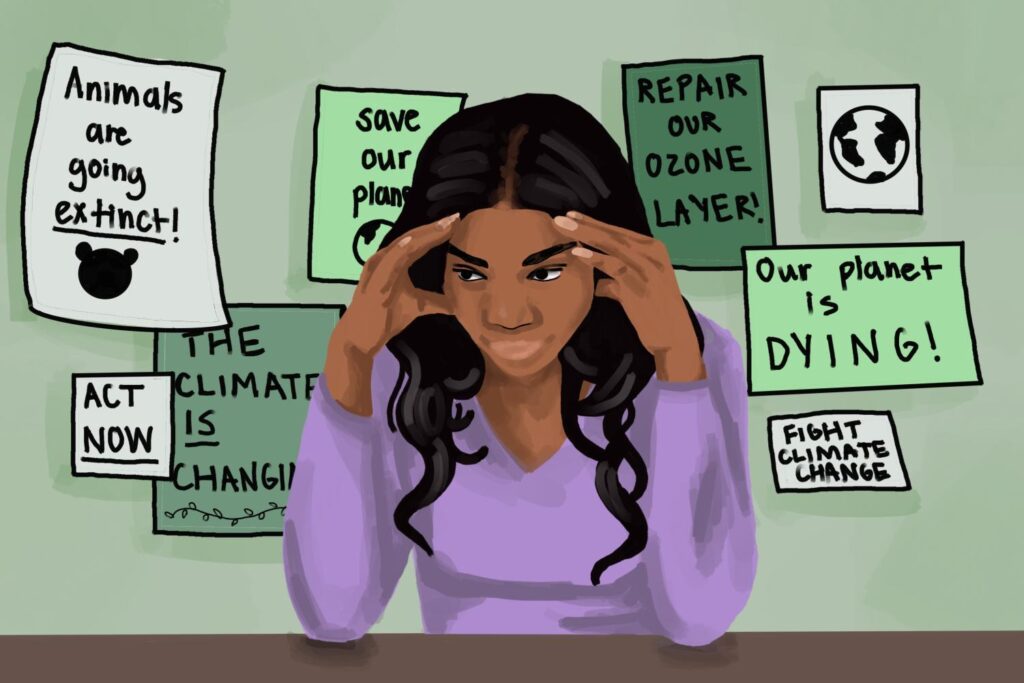
The climate crisis has quietly evolved into something mental health professionals can no longer ignore: a collective psychological emergency. Yet here's where the narrative takes an unexpected turn—the anxiety millions feel watching their world destabilize may not be a mental health disorder at all. It's increasingly recognized as a rationally calibrated response to genuinely catastrophic circumstances.
The distinction matters enormously. For years, eco-anxiety existed in clinical limbo, neither formally recognized in diagnostic manuals nor fully validated by mainstream psychiatry. People experiencing profound distress over climate collapse found themselves pathologized when they sought help, their legitimate concerns reframed as irrational fears requiring pharmaceutical intervention. This framing, experts now argue, fundamentally misses the point.
Redefining What We Call a Crisis
Environmental psychologists and climate scientists have begun building a compelling case: if the evidence of ecological breakdown is real—and the scientific consensus leaves little room for doubt—then anxiety in response to that evidence isn't a cognitive distortion. It's clarity.
"We're essentially pathologizing appropriate alarm," explains Dr. Sarah Chen, a leading researcher at the intersection of environmental science and mental health. "When someone experiences anxiety because the data shows genuine threat, we're not looking at a psychological malfunction. We're looking at the mind working exactly as it should."
This reframing opens a crucial therapeutic door. Traditional anxiety treatment typically focuses on reappraising catastrophic thinking—convincing patients their fears are overblown. But climate anxiety presents a unique challenge: the catastrophe isn't imagined, and reappraisal risks gaslighting the very people seeking help.
From Individual Pathology to Systems Thinking
The shift from treating eco-anxiety as a disorder to recognizing it as a legitimate response fundamentally changes how clinicians approach care. Rather than asking "How do we eliminate this anxiety?" the more productive question becomes: "What systemic changes would address the valid concerns driving this response?"
This doesn't mean dismissing the real psychological suffering people experience. Climate anxiety manifests as insomnia, panic attacks, and debilitating despair for many individuals. But the solution isn't contained within therapeutic interventions alone—it requires addressing the underlying crisis generating the anxiety in the first place.
Progressive mental health practitioners are pioneering what some call "climate-informed therapy," an approach that validates environmental concerns while building psychological resilience through meaningful action. Rather than treating anxiety as something to be eliminated, this framework channels it toward productive engagement with solutions.
The Missing Conversation About Agency
One of the most damaging aspects of pathologizing climate anxiety is the implicit message it sends: your distress is your problem to solve individually. This perspective ignores a critical variable—agency. Research consistently shows that people engaging in collective climate action experience significantly lower anxiety levels, even as the crisis deepens.
Community organizing, policy advocacy, renewable energy transitions, and environmental justice work all demonstrate measurable positive psychological outcomes. The anxiety doesn't disappear because the crisis hasn't been solved, but rather because individuals regain a sense of efficacy and belonging.
"Mental health support that ignores structural solutions essentially offers people coping mechanisms for helplessness," notes climate psychologist Dr. Marcus Webb. "The most therapeutic intervention is often participation in real, collective change."
Building a New Framework
The emerging consensus suggests mental health professionals must develop new paradigms entirely. Rather than asking whether climate anxiety is rational or irrational—a question that presumes the crisis itself might be exaggerated—the field is moving toward ecological awareness frameworks that normalize environmental concern while building practical resilience.
This means validating people's fears while simultaneously connecting them to communities, causes, and concrete actions. It means recognizing that psychological wellbeing in a climate emergency cannot be divorced from material reality and collective response.
As the climate crisis deepens, the distinction between pathology and appropriate response becomes increasingly critical. The question isn't whether we should feel anxious about ecological collapse—the evidence suggests we rationally should. The question is how we collectively channel that anxiety toward the systemic transformation our moment demands.