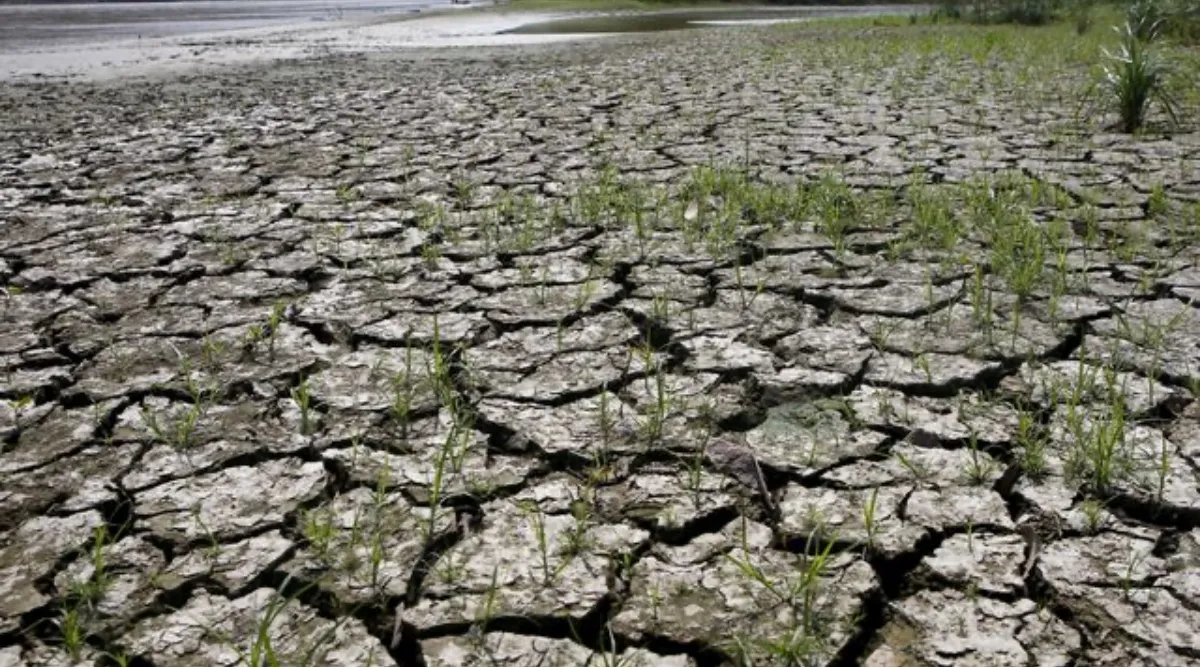
The El Niño Crisis Demands Unconventional Solutions
The specter of a "super El Niño" looms large over climate scientists and policymakers alike. This naturally occurring climate phenomenon—which can trigger devastating droughts, catastrophic floods, and economic disruption across the globe—appears to be intensifying as our planet warms. Now, in a striking pivot toward geoengineering, researchers are proposing an audacious countermeasure: artificially dimming the sun itself.
The emerging science challenges conventional thinking about climate intervention and raises profound questions about humanity's willingness to technologically manipulate planetary systems to mitigate the consequences of climate change.
The Stratospheric Aerosol Strategy
At the heart of this proposal lies a deceptively simple concept: injecting reflective particles into the stratosphere to bounce a fraction of incoming solar radiation back into space. This approach, known as stratospheric aerosol injection (SAI), mimics the natural cooling effect observed after major volcanic eruptions, which have historically reduced global temperatures by reflecting sunlight.
How It Works in Practice
Scientists envision deploying aerosol particles—primarily sulfates—at altitudes between 10 and 50 kilometers above Earth's surface. Once in place, these particles would create a subtle veil that reduces the amount of solar energy reaching the planet's surface without completely blocking sunlight or disrupting visible light penetration.
The elegance of this approach lies in its precedent. When Mount Pinatubo erupted in 1991, it ejected approximately 20 million tons of sulfur dioxide into the stratosphere, causing global temperatures to drop by roughly 0.5 degrees Celsius in the following year. Modern proposals seek to replicate this effect deliberately and sustainably.
Why El Niño Makes This Urgent
El Niño events occur irregularly every 2-7 years, characterized by unusual warming of the tropical Pacific Ocean. These warm water anomalies cascade through interconnected atmospheric and oceanic systems, amplifying extreme weather events worldwide. A super El Niño—an exceptionally strong iteration of this pattern—could exacerbate heat waves, disrupt monsoons, and trigger agricultural failures affecting billions of people.
Recent findings indicate that stratospheric dimming could reduce El Niño's peak warming by 10-30 percent, potentially sparing vulnerable regions from the worst impacts. For developing nations already grappling with climate vulnerability, this margin could mean the difference between manageable disruption and humanitarian catastrophe.
The Climate Change Amplification Factor
Climate change isn't merely coincidental to El Niño intensification—it may be actively fueling stronger events. Warmer baseline ocean temperatures create more energy for El Niño systems to exploit, producing more extreme manifestations. This feedback loop creates an increasingly urgent need for mitigation strategies.
The Controversy Surrounding Solar Geoengineering
Despite its theoretical promise, stratospheric aerosol injection remains profoundly controversial. Environmental ethicists and climate scientists raise legitimate concerns about unintended consequences, governance challenges, and the moral hazard of appearing to offer a technological solution that might reduce momentum for deeper emissions reductions.
Key Concerns in the Debate
Critics worry that sun-dimming technology could alter precipitation patterns in unpredictable ways, potentially exacerbating drought in some regions while triggering excessive rainfall elsewhere. There's also the troubling question of who decides to deploy such technology and according to what protocols. Without international consensus and robust governance frameworks, stratospheric intervention could become a flashpoint for geopolitical conflict.
Furthermore, the so-called "termination problem" looms: once aerosol injection begins, stopping it abruptly could trigger rapid warming as the reflective veil dissipates, potentially causing more damage than a gradual temperature increase.
Moving Forward: Research Meets Pragmatism
The scientific consensus appears to be settling on a measured approach: continued research into stratospheric aerosol injection as a potential supplement to, not replacement for, aggressive emissions reductions. Computer modeling and small-scale atmospheric studies can help clarify the technology's actual impacts before any large-scale deployment is contemplated.
As the climate crisis intensifies and El Niño's effects grow more severe, humanity faces an uncomfortable reality: conventional climate solutions alone may prove insufficient to protect vulnerable populations from near-term impacts. Whether stratospheric dimming ultimately becomes part of our climate toolkit depends on how the scientific community, policymakers, and global citizens navigate the profound ethical and practical questions it raises.