The Synthetic Election Threat Is Already Here
The warning signs are unmistakable. Across social media platforms and messaging apps, AI-generated political content is proliferating at an unprecedented scale—and disturbingly, it's working. Voters are consuming and sharing synthetic misinformation without realizing they're interacting with computer-generated falsehoods. This isn't a hypothetical future scenario; it's unfolding right now.
Recent analysis from digital forensics teams and election security researchers reveals that sophisticated deepfakes and AI-generated text are already being weaponized to manipulate public opinion. From synthetic audio clips impersonating political candidates to convincingly fabricated video statements, the technology has matured far faster than society's ability to detect and counter it.
Why Humans Can't Keep Up With AI
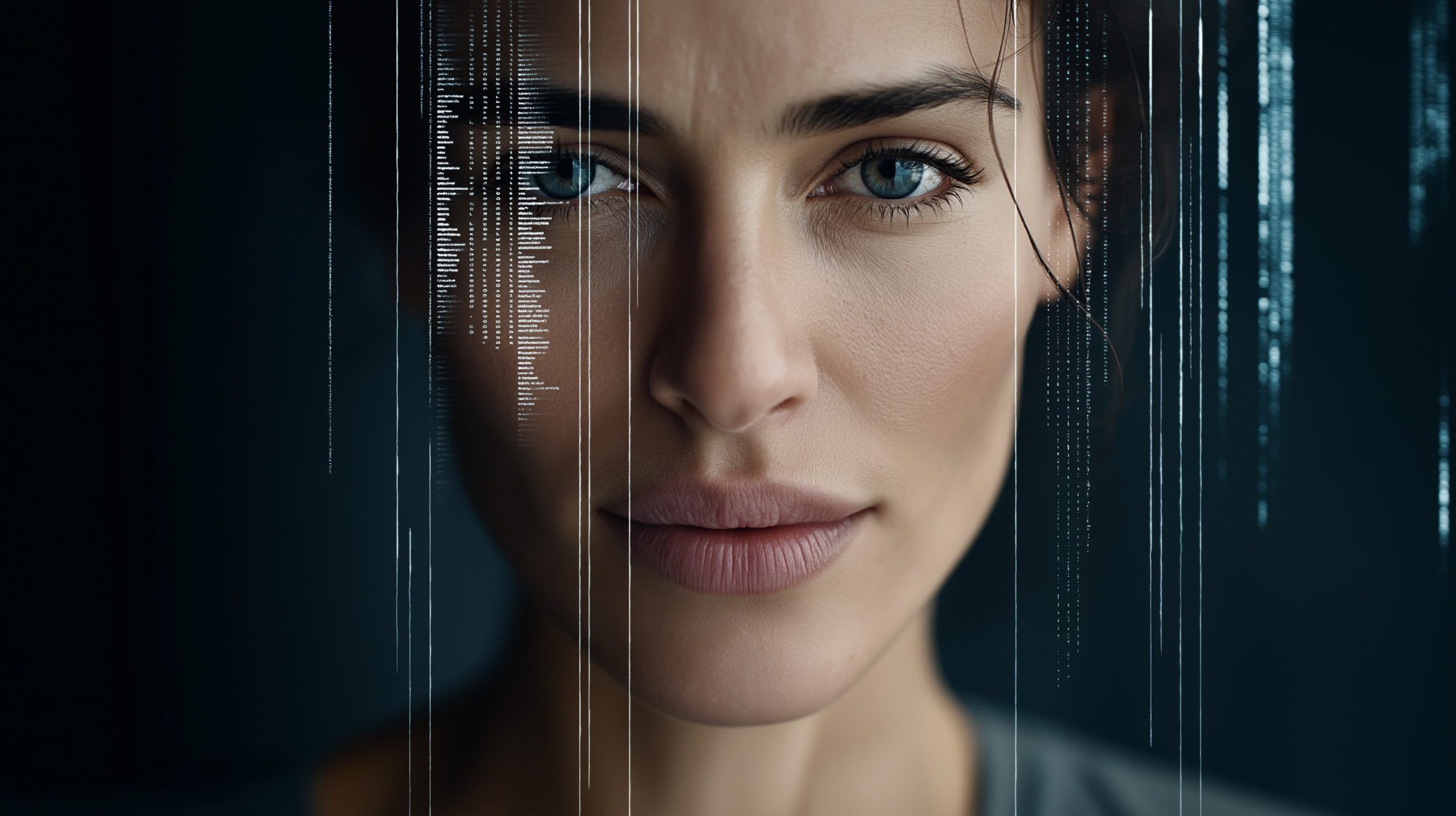
The human brain evolved to process information in a fundamentally different era. Our built-in skepticism mechanisms—facial recognition, voice analysis, contextual reasoning—are increasingly unreliable when confronted with AI creations. Modern generative models can produce photorealistic images, synthesize convincing voice performances, and generate coherent political narratives that pass casual inspection.
The Deepfake Detection Gap
Even trained observers struggle with identification. A 2024 Stanford study found that humans correctly identified AI-generated images only 65% of the time—barely better than a coin flip. Video deepfakes perform even worse, with detection rates hovering around 50% for sophisticated productions. Meanwhile, detection software lags behind generation technology in an arms race the bad actors are currently winning.
The Targeting Problem
What makes synthetic political misinformation particularly dangerous is its precision. AI systems can generate personalized content tailored to specific demographic groups, regional concerns, or political leanings. A swing voter in Pennsylvania might receive algorithmically crafted misinformation that directly contradicts the content targeting voters in Arizona. This hyper-targeted approach makes coordination and fact-checking exponentially more difficult.
The Scale and Speed Advantage
Human fact-checkers cannot compete with algorithmic generation. While teams of researchers labor to debunk one deepfake, bad actors are already producing thousands more. The velocity of misinformation distribution through bot networks and coordinated social campaigns means false narratives often achieve saturation before correction efforts gain traction.
Election officials and platforms acknowledge they're racing against the clock. During the 2024 primary season, several campaigns reported coordinated synthetic media attacks. Though attribution remains difficult, the sophistication suggested state-level or well-funded non-state actors were testing capabilities ahead of general elections.
What Makes This Election Cycle Different
Previous election cycles featured crude fakes and easily debunked misinformation. Current AI models have crossed a credibility threshold where synthetic content can convince viewers and listeners in real-time, with verification requiring technical expertise most citizens don't possess.
The Democratic Vulnerability
Democracy depends on shared reality. When substantial portions of the electorate can't distinguish authentic political communication from synthetic fabrications, informed decision-making becomes impossible. Voters can't properly evaluate candidates when they can't trust their own eyes and ears. This erosion of epistemic trust creates fertile ground for extremism and political radicalization.
Platform Complicity
Social media companies have implemented some safeguards—labels on AI-generated content, partnerships with fact-checkers, content moderation policies. But these measures remain reactive rather than preventative. The economic incentives driving engagement favor sensational content, including misinformation, which spreads faster than corrections.
What Happens Next
Security researchers predict the next phase will involve multimodal attacks combining synthetic video, audio, and text to create seamless false narratives. We're likely to see AI-generated content targeting specific voting demographics weeks before elections, making rapid response impossible.
Solutions remain elusive. Cryptographic authentication could verify authentic media, but adoption across platforms and devices faces technological and logistical obstacles. Media literacy initiatives help, but can't scale fast enough. Legislation lags technology, and enforcement across jurisdictions is complicated.
The uncomfortable truth is that 2024 and 2025 will likely see the first large-scale elections significantly impacted by AI-generated misinformation. Voters should approach extraordinary claims with extra scrutiny, demand verification from multiple independent sources, and recognize that their media environment has fundamentally changed. The election defense starts not with technology, but with individual critical thinking—a resource increasingly precious in the age of synthetic media.