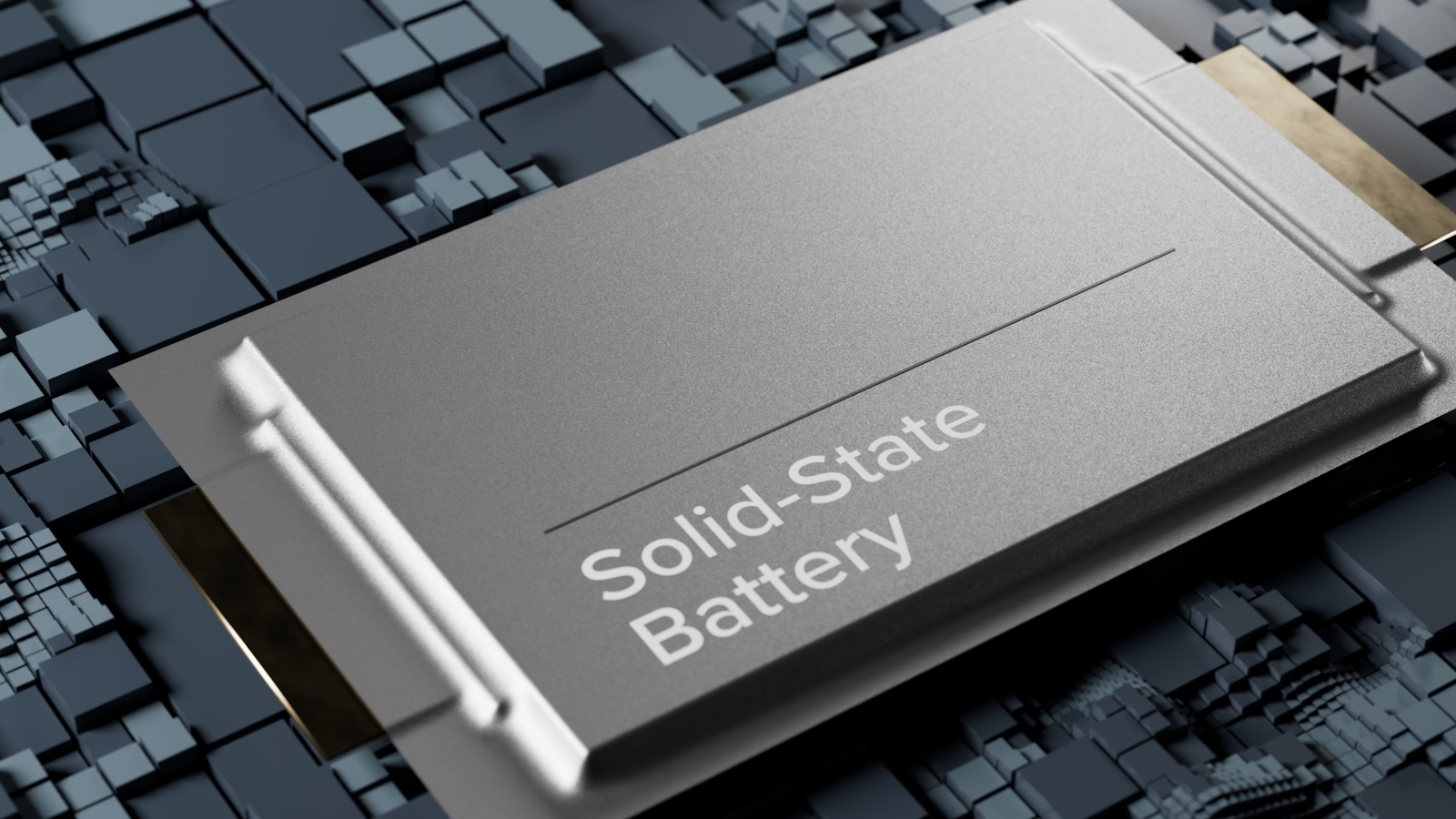
A New Frontier in Energy Storage
The battery industry has undergone a seismic shift over the past decade, with Chinese manufacturers establishing near-total dominance in lithium-ion production. But a new generation of startups is emerging with a fundamentally different approach: solid-state battery technology that promises to reshape the competitive landscape entirely.
Unlike conventional lithium-ion batteries that use liquid electrolytes, solid-state batteries replace that flammable liquid with a solid material. The implications are profound—greater energy density, enhanced safety, faster charging, and longer lifespan. For companies willing to navigate the manufacturing minefield, solid-state technology represents a genuine opportunity to leapfrog years of incremental improvements and reclaim leadership in one of the 21st century's most critical technologies.
Manufacturing: The Hidden Obstacle
The challenge, however, is brutal. While the core technology has been understood for decades, scaling production to commercial volumes remains genuinely difficult. Solid-state batteries demand pristine manufacturing environments, novel equipment, and processes that existing battery factories cannot easily replicate. Contamination rates that would be acceptable in lithium-ion production render solid-state cells useless.
This manufacturing barrier has inadvertently created a window of opportunity. Chinese competitors, while formidable at optimizing existing lithium-ion processes, face the same production hurdles. Western startups with sufficient capital and engineering talent can compete on a more level playing field during this crucial transition period—something that would have been impossible in a pure lithium-ion race.
Why This Matters for Global Competition
The geopolitical dimension cannot be ignored. Over the past decade, Chinese battery makers like CATL and BYD have achieved commanding market positions through aggressive scaling and cost optimization. This dominance has raised concerns in Washington, Brussels, and Tokyo about supply chain vulnerability in an era when batteries power everything from smartphones to electric vehicles to grid storage.
A successful American or European solid-state battery producer wouldn't just create economic value—it would fundamentally alter the strategic calculus of the global EV transition. The stakes are existential for legacy automakers currently dependent on Chinese battery supplies, and equally important for emerging markets seeking energy independence.
The Capital Question
Building a solid-state battery factory requires billions in capital deployment, with significant risk that the technology won't reach commercial viability or that competitors will execute faster. Yet major automakers and energy companies are betting billions that the payoff justifies the risk. Toyota, BMW, and Samsung have all invested heavily in solid-state programs. Venture capital has poured into startups like QuantumScape, Solid Power, and others pursuing different approaches to solid electrolyte chemistry.
The venture-backed model differs fundamentally from China's state-supported battery ecosystem. Western startups must prove commercial viability to continue attracting capital, while Chinese competitors benefit from government support and patient industrial policy. This creates tension: American companies may need to move faster than technically prudent, while Chinese companies can absorb longer timelines.
The Timeline to Disruption
Industry experts expect solid-state batteries to begin trickling into production vehicles by the mid-2020s, with meaningful volume arriving by 2030. This window—roughly five to seven years—will determine whether Western companies can secure a beachhead in next-generation battery technology or whether Chinese manufacturers will simply absorb and improve solid-state processes as they did with lithium-ion.
Early commercialization will almost certainly mean premium products targeting luxury vehicles and high-reliability applications where solid-state's superior performance justifies higher costs. This mirrors how lithium-ion batteries entered the market through premium electronics before democratizing across industries.
What Victory Looks Like
Success for Western solid-state battery makers doesn't necessarily mean displacing Chinese dominance entirely. Rather, it means establishing defensible market positions in core geographies, securing supply relationships with major automakers, and building technology moats that create genuine competitive advantages beyond cost.
The next five years will determine whether solid-state technology becomes another front where China extends its battery dominance, or whether a new generation of Western companies finally breaks through with transformative innovation. The stakes have never been higher.
