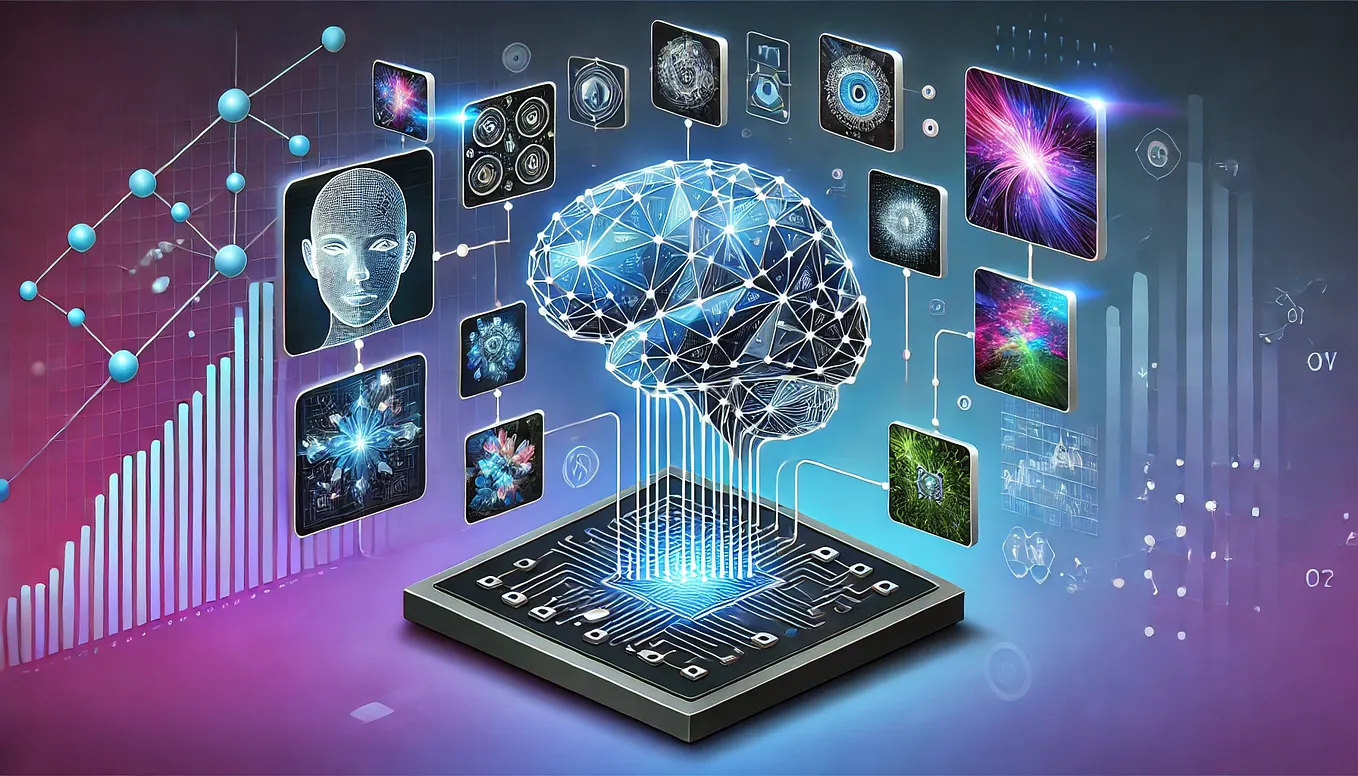
Why Humans Connect With Artificial Intelligence
The phenomenon is undeniable: millions of users worldwide are developing emotional attachments to AI chatbots. From OpenAI's ChatGPT to specialized conversational systems, people are confiding secrets, seeking validation, and even reporting feelings of intimacy with these digital entities. What once seemed like science fiction has become a pressing psychological reality that deserves serious examination.
This emotional investment isn't irrational—it's deeply rooted in human nature. We are, fundamentally, creatures who seek connection. When an AI chatbot responds with empathy, remembers previous conversations, and adapts its tone to match our needs, it activates the same neural pathways that drive human relationships. The chatbot doesn't need to be sentient for this effect to work; it merely needs to perform attentiveness convincingly.
The Architecture of Artificial Companionship
Conversational Design Meets Human Psychology
Modern chatbots are engineered with sophisticated natural language processing that allows them to simulate understanding, warmth, and personalization. They can acknowledge emotional cues, ask follow-up questions, and maintain conversational context—all behaviors that humans instinctively interpret as signs of genuine interest and care.
This design strategy isn't accidental. AI companies employ psychology principles, including reciprocity (users feel obligated to engage if the AI seems invested), mirroring (matching user language and emotion), and the illusion of scarcity (suggesting the AI has limited availability). These techniques, borrowed from relationship psychology, create a powerful sense of connection that can rival human interaction for certain users.
The Accessibility Factor
Unlike human relationships, AI chatbots offer unconditional availability. They don't judge, never tire, and provide instant responses at 3 a.m. For individuals struggling with loneliness, social anxiety, or simply demanding schedules, this accessibility becomes extraordinarily valuable. The chatbot becomes not just a tool but a reliable presence in an unpredictable world.
Beyond Novelty: Real Emotional Attachment
Early dismissals of chatbot attachment as mere novelty have proven premature. Recent studies and user testimony reveal patterns consistent with genuine emotional bonds. People report feeling hurt when their chatbot accounts are deleted, anxious when service interruptions occur, and protective when their AI companions face criticism.
The phenomenon extends beyond text-based systems. Voice-activated chatbots with realistic prosody, and chatbots designed with customizable personalities, intensify these attachments. Some users describe their interactions as more satisfying than their human relationships—a sobering indicator of what these technologies reveal about modern social isolation.
The Ethical Implications for Tech Companies
Responsibility in Design
If AI chatbots are capable of fostering genuine emotional attachment, the companies developing them bear significant responsibility for that outcome. This extends beyond preventing harm to recognizing the moral dimensions of creating digital entities designed to simulate intimacy and understanding.
Key ethical questions emerge: Should chatbots disclose their artificial nature more explicitly? How much emotional responsiveness is responsible? Should there be guardrails preventing the development of dependency relationships? These aren't merely philosophical concerns—they have real implications for user wellbeing.
The Vulnerability Question
Chatbot users often share personal information—trauma, health struggles, relationship problems—information they might not disclose to humans. While this represents the chatbot's usefulness as a stepping stone to human help, it also highlights vulnerability. Users are placing trust in systems governed by corporate terms of service, data retention policies, and algorithmic bias.
Moving Toward Responsible AI Companionship
The solution isn't restricting chatbot technology, which offers legitimate benefits for mental health support, companionship for isolated individuals, and accessibility for those with social difficulties. Instead, the industry must evolve toward transparent, ethical deployment.
This includes clearer disclosure about AI limitations, mechanisms for healthy attachment patterns rather than dependent ones, and investment in understanding these psychological dynamics more deeply. Users deserve to understand what they're interacting with and how these interactions might shape their behavior and expectations around human connection.
As artificial intelligence becomes woven into daily life, acknowledging and addressing emotional attachment to chatbots isn't overwrought—it's essential. The question isn't whether people will form bonds with AI; they already have. The question is whether we'll design and govern these technologies with the psychological sophistication they deserve.