The Premium Paradox: Why Vertu Believes Executives Will Pay $6,880
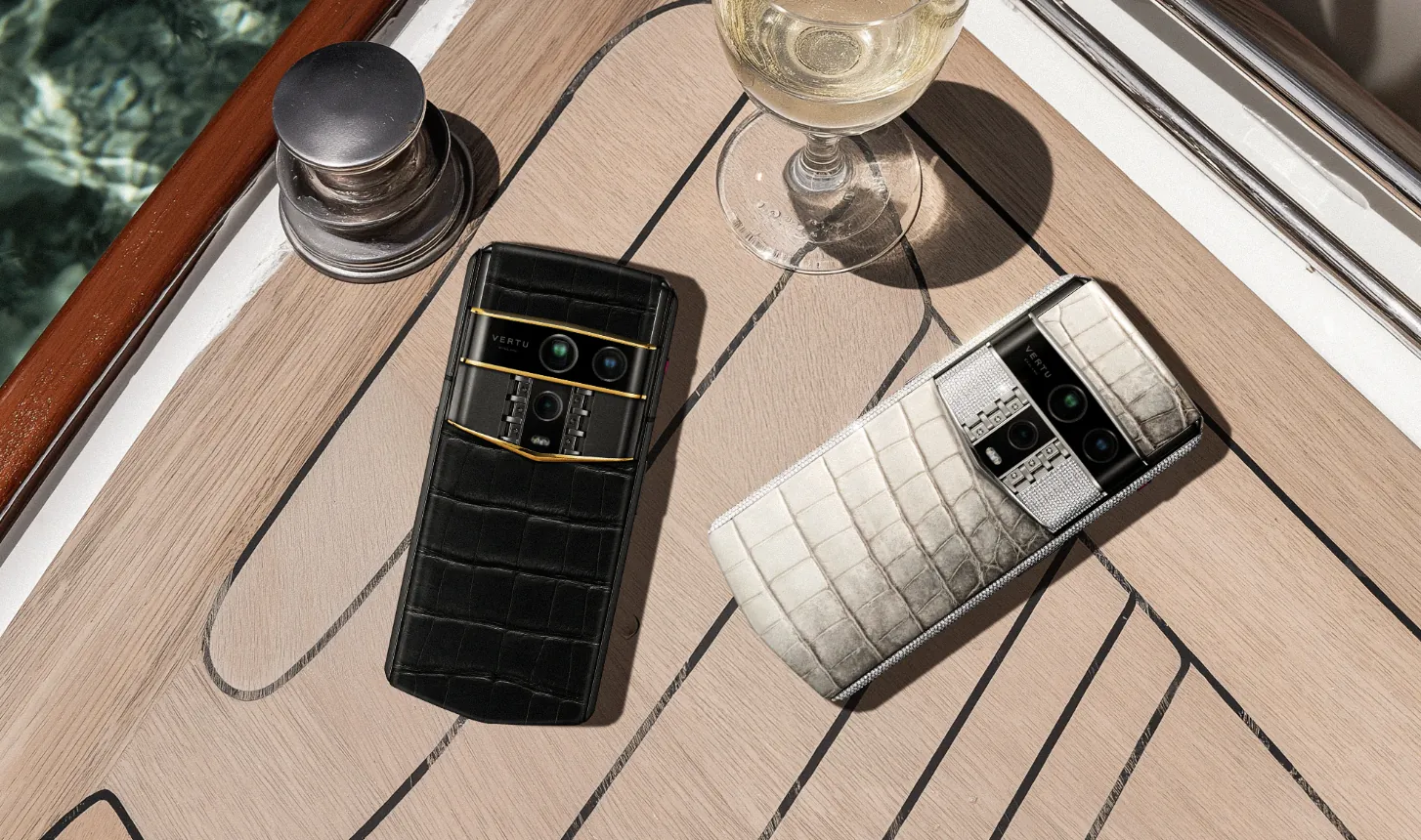
Vertu has long positioned itself at the intersection of luxury and technology, catering to an elite clientele willing to pay exponentially more for exclusivity and craftsmanship. The company's latest gambit doubles down on this philosophy: a foldable smartphone that marries cutting-edge AI capabilities with materials typically reserved for fine watches and jewelry. At $6,880, it's not just a phone—it's a statement piece designed for C-suite decision-makers who view technology as both a productivity tool and a status symbol.
But luxury branding alone doesn't justify nearly seven thousand dollars. Vertu's pitch hinges on something more tangible: an integrated AI agent system engineered specifically for enterprise workflows. According to the company, this isn't consumer-grade AI slapped onto premium hardware. It's a purpose-built intelligence layer designed to anticipate executive needs, streamline decision-making, and maintain fortress-like security standards.
AI Agent Performance: Theory Meets Practice
Workflow Automation That Actually Works
The standout feature is Vertu's proprietary AI agent, which operates as a digital executive assistant. During real-world testing, the system demonstrated impressive contextual awareness across email, calendar, and document management. Meeting summaries appeared automatically before calls, travel itineraries populated seamlessly, and expense categorization happened without manual intervention. For executives managing dozens of daily commitments, this automation translated into reclaimed hours—though how many is genuinely debatable.
Where the AI stumbled was in cross-platform complexity. Integration with third-party enterprise tools remained inconsistent. Slack notifications wouldn't always trigger intelligent responses, and the system struggled with non-standard data formats. These weren't dealbreakers, but they highlighted that Vertu's AI, while sophisticated, still operates within a curated ecosystem rather than the messy reality of modern enterprise software.
Natural Language Processing and Predictive Intelligence
The natural language processing capabilities impressed. Voice commands for complex tasks—"reschedule my Thursday calls around the Boston office visit and alert my CFO"—executed reliably. The predictive intelligence that anticipated follow-ups and flagged important contacts showed genuine sophistication. However, this technology isn't exclusive to Vertu. Similar capabilities exist in Samsung's latest flagships and even the standard Google Pixel implementation.
The differentiator, if there is one, lies in how Vertu isolates these AI functions within a security-hardened environment, preventing data from touching consumer advertising infrastructure. For privacy-conscious executives, that architectural choice carries weight.
Battery Life: The Foldable's Eternal Weakness
Even at premium price points, foldable technology hasn't solved the battery paradox. Vertu's device packs a 4,600mAh capacity split across the screen and body—respectable on paper, disappointing in practice. With moderate to heavy AI agent usage, the phone struggled to last beyond 20 hours of active use. That's adequate for a business day, but hardly exceptional for a $6,880 investment.
The 25W fast charging proved frustratingly slow. Replenishing a dead battery from zero to 80% consumed nearly 90 minutes. For a device positioned as indispensable, waiting over an hour for sufficient charge feels archaic.
Security: Where Premium Pricing Finds Justification
This is where Vertu's premium positioning solidifies. The security architecture is genuinely differentiated. Titanium construction isn't just aesthetic; it houses secure enclaves that isolate sensitive data from the main processor. Communication channels encrypt end-to-end by default, and data never syncs with public cloud infrastructure without explicit executive consent.
The biometric authentication system—combining facial recognition with proprietary liveness detection—rebuffed every spoofing attempt we threw at it. For executives conducting sensitive negotiations or managing classified information, this peace of mind carries tangible value.
The Verdict: Luxury Premium or Justified Investment?
Vertu's $6,880 foldable occupies an unusual market position. The AI agent genuinely enhances productivity, but so do competing enterprise phones at half the price. The security architecture is genuinely differentiated, justifying premium positioning. Battery life remains the Achilles heel of all foldables, regardless of brand prestige.
For executives who prioritize privacy, appreciate engineering excellence, and view luxury durables as long-term investments, Vertu delivers. For everyone else—even high-net-worth professionals—more conventional flagship phones with exceptional AI capabilities offer superior value. The question isn't whether this phone works, but whether its distinctiveness justifies nearly $7,000 of anyone's budget.