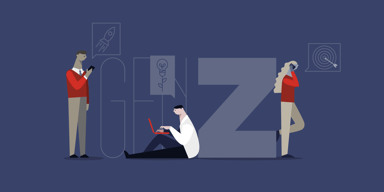
The Generational Reckoning in Corporate America
The corner office playbook that built corporate empires for decades is becoming obsolete. As Gen Z workers flood the job market with fundamentally different expectations about work, power, and purpose, companies clinging to hierarchical management structures are watching their most talented young employees walk out the door. The problem isn't ambition—it's authority without autonomy.
Unlike their predecessors, Gen Z didn't grow up waiting for permission. They grew up building, creating, and innovating in digital spaces where hierarchies were fluid and contribution was rewarded regardless of seniority. Now, employers face a critical challenge: adapt or lose the talent that will define the next decade of innovation.
Why Traditional Command-and-Control Leadership Is Failing
The traditional corporate model operates on a simple premise: leadership dictates strategy from above, and workers execute orders from below. This top-down approach fostered loyalty in previous generations, who valued job security and clear career progression. But Gen Z's relationship with authority is fundamentally different.
This generation entered the workforce during unprecedented disruption—economic uncertainty, social upheaval, and the normalization of remote work. They've seen through the facade of corporate paternalism and demand something more authentic: a voice in decisions that affect their work, flexibility to manage their lives, and leaders who lead by example rather than title.
When companies insist on rigid schedules, micromanagement, and unquestioned hierarchies, they signal that young workers are replaceable executors rather than valued collaborators. Gen Z responds by voting with their feet.
The Roblox Model: Why Creative Platforms Capture Gen Z Loyalty
Consider Roblox, the platform that has captivated hundreds of millions of young users worldwide. What's its secret? It places creative power directly in the hands of users. On Roblox, teenagers aren't passive consumers—they're builders, entrepreneurs, and creators. They design experiences, monetize their creations, and maintain ownership over their intellectual property. The platform succeeds because it fundamentally respects user agency.
This model contains profound lessons for employers. Gen Z isn't motivated solely by paychecks or benefits packages—though those matter. They're motivated by the ability to create meaningful work, see the direct impact of their contributions, and maintain control over how and when they work.
The Key Principles Behind Roblox's Success
First, Roblox empowers creators with real tools and resources. Companies that invest in professional development, cutting-edge technology, and skill-building create similar dynamics in the workplace.
Second, the platform celebrates transparency and community. Users understand how the ecosystem works and can see how their contributions create value. Corporate transparency about strategy, metrics, and decision-making has the same effect—it builds trust and engagement.
Third, Roblox rewards excellence through tangible recognition and financial opportunity. When young people see direct correlation between effort and reward, engagement skyrockets. Performance-based compensation, equity opportunities, and public recognition matter enormously to Gen Z.
Reimagining Workplace Culture for a New Generation
Forward-thinking companies are already implementing these principles. They're decentralizing decision-making, encouraging experimental thinking, and trusting young workers with meaningful autonomy. They're building transparent communication channels where strategy isn't handed down but debated and refined collaboratively.
The most successful are also embracing flexibility—not as a perk, but as a fundamental reimagining of how work gets done. Remote work, flexible schedules, and project-based structures appeal to a generation that refuses to sacrifice personal wellbeing on the altar of corporate tradition.
The Bottom Line: Adapt or Fade
The generational shift underway isn't temporary. Gen Z represents the future of the global workforce, and their expectations will only intensify as younger cohorts enter the job market. Companies that continue operating under outdated power dynamics won't just lose talent—they'll lose competitive advantage to organizations that unlock the full creative and strategic potential of their workforce.
The question isn't whether to change. It's whether companies will change fast enough to survive the transition. Those that do will discover what Roblox already knows: when you empower people to create, they don't just stay—they thrive.