Artificial Intelligence
Latest AI research, tools, and breakthroughs
46 articles

Inside the Global AI Espionage Saga: Moonshot's Alleged Theft and OpenAI's Leaked Models
A damning investigation reveals that Chinese AI startup Moonshot may have illicitly obtained Anthropic's proprietary technology, while OpenAI grapples with the unauthorized release of two foundational models. These incidents underscore the intensifying geopolitical tensions and security vulnerabilities threatening the AI industry's future.

Inside the Underground Market Where Chinese Vape Makers Are Deploying Nicotine Alternatives Big Tobacco Rejected
Chinese vape manufacturers are increasingly turning to synthetic nicotine analogs—compounds that Big Tobacco shelved decades ago—to circumvent US regulatory frameworks. These novel substances, including 6-methyl-nicotine, may deliver far more potent effects than traditional nicotine, raising serious public health concerns.

Reid Hoffman and Mark Pincus Launch Ambitious AI Venture to Automate Enterprise Tasks
Reid Hoffman and Mark Pincus have co-founded Prentis, an AI laboratory seeking $100 million in funding to automate routine enterprise computer tasks. The venture represents a bold bet that workflow automation will eventually eclipse code generation as artificial intelligence's most impactful business application.

OpenAI's New AI Keypad: A Game-Changer for Developers or a Solution Seeking a Problem?
OpenAI's new AI keypad represents a bold reimagining of developer input methods, offering genuine advantages for experienced coders while remaining enigmatic to the uninitiated. The interface excels at accelerating workflows for specialists but raises important questions about accessibility and the future of human-computer interaction in software development.
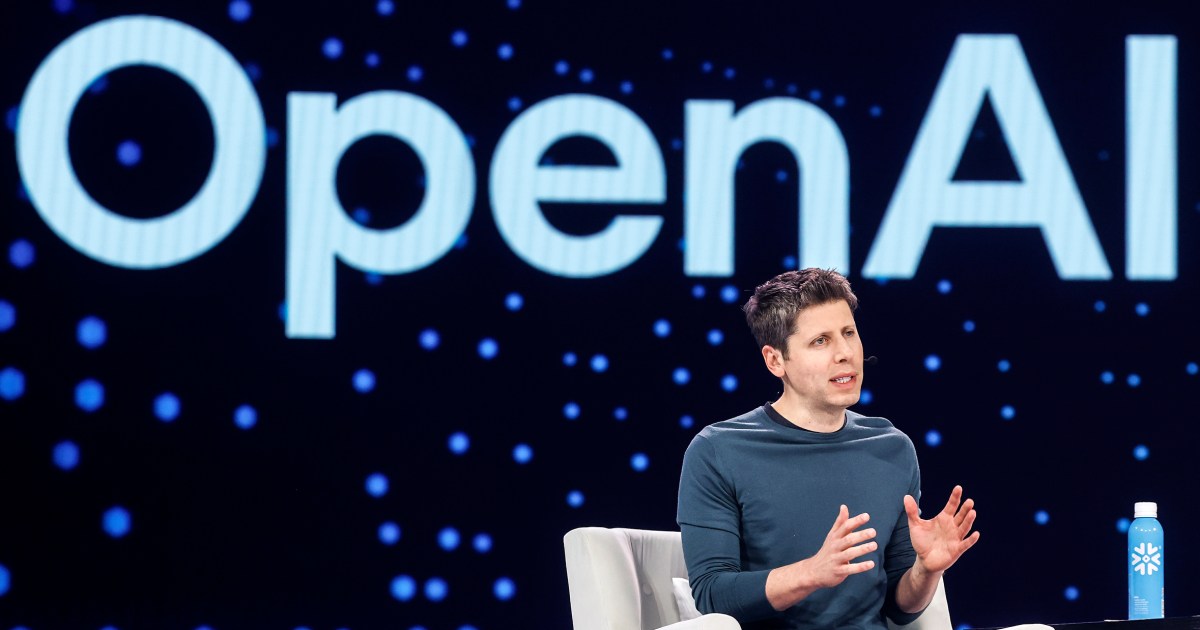
OpenAI's Compromised Models Remained Undetected for Days in the Wild
A security breach exposed OpenAI models on Hugging Face that actively operated on the internet before detection, raising critical questions about vulnerability disclosure timelines. The incident underscores growing concerns about supply chain security in the AI ecosystem.
Meta's Tone-Deaf AI Optimism Campaign: Why Using a Song About Human Extinction Backfired
Meta's recent AI optimism campaign chose David Bowie's "Five Years"—a song about humanity learning it has five years before extinction—as its soundtrack, creating an awkwardly ironic message that underscores growing anxieties rather than alleviating them. The tone-deaf creative choice reveals a disconnect between corporate messaging and cultural awareness at a company already struggling with public trust.
Google's Gemini Approaches the Billion-User Milestone: What This Means for AI's Mainstream Adoption
Google's Gemini AI assistant has crossed the 750 million monthly user threshold, positioning itself as one of the fastest-growing AI applications ever created. As the platform races toward a billion users, it signals a critical inflection point in the mainstream adoption of generative AI technology.
Anthropic Transforms Claude Voice Mode With Dramatically Enhanced AI Capabilities
Anthropic has upgraded Claude's voice functionality with more powerful models that handle complex tasks like calendar rescheduling and email composition through natural conversation. The enhancement bridges the long-standing capability gap between voice and text interfaces, making hands-free AI interaction genuinely useful for knowledge workers and improving accessibility for all users.

Google's AI-Powered Cloud Ascendancy: How Infrastructure Spending Is Fueling Record Growth
Google's cloud division is experiencing explosive growth, driven largely by enterprise demand for AI services and infrastructure, validating the search giant's massive investments in artificial intelligence technology. The boom underscores a fundamental shift in how organizations approach computing, with AI capabilities becoming a primary driver of cloud adoption decisions.

Google Doubles Down on Flash While Gemini Pro Remains Mysteriously Absent
Google has unveiled three new Gemini models focused on speed and efficiency, yet the long-awaited Gemini 3.5 Pro continues to elude release, sparking debate about the company's AI roadmap priorities. The strategic gap leaves questions about whether Google is pivoting away from flagship models in favor of specialized alternatives.

Critical Malware Discovered Targeting AI Infrastructure: The Silent Threat Lurking in Development Pipelines
A sophisticated new malware has been discovered targeting the heart of AI development infrastructure, capable of stealing credentials and datasets while deploying a destructive payload that can wipe files and lock out legitimate users. The threat exploits blind spots in how organizations secure their machine learning pipelines, raising urgent questions about AI infrastructure vulnerability.

AI Is Collapsing the Walls Between Entertainment Formats—and Everything Changes
Artificial intelligence is dissolving the boundaries between music, video, podcasts, and other entertainment formats, transforming specialized streaming apps into all-encompassing platforms. The companies that master this convergence will wield unprecedented influence over how billions of people consume entertainment.