Artificial Intelligence
Latest AI research, tools, and breakthroughs
46 articles

Moonshot AI's Kimi Model Sparks Fresh Debate Over AI Dominance and Western Competitiveness
Chinese AI startup Moonshot AI has unveiled an upgraded version of its Kimi model, reigniting concerns about China's rapid advancement in artificial intelligence and the geopolitical implications of competing AI ecosystems. The release has triggered discussions about whether Western companies can maintain technological leadership in an increasingly fragmented global AI landscape.
Christopher Nolan Warns: AI Is Hollywood's Trojan Horse
In a stark warning that echoes through Hollywood, director Christopher Nolan has branded artificial intelligence as an obvious Trojan horse, raising critical questions about the technology's true intentions in creative industries. The acclaimed filmmaker's provocative comparison suggests that the dangers lurking within AI adoption may be far more apparent than the industry is willing to acknowledge.

Why the AI Boom May Be Leading Us Toward a Reckoning
The gap between AI's hyped potential and its actual capabilities is widening, threatening to create a backlash that could reshape the entire industry. As early warning signs emerge, experts warn that disappointment and safety concerns could fundamentally alter how we deploy these powerful systems.

Why AMI Labs' Alexandre LeBrun Refuses to Call AI 'AGI'—And What It Says About the Industry
While AI leaders across the industry invoke terms like "AGI" and "superintelligence" to describe their work, Alexandre LeBrun, CEO of world model startup AMI Labs, deliberately avoids such language. His restraint reflects a deeper critique: that overselling AI's capabilities undermines serious progress and distorts how the technology is understood.

Apple's Trade Secrets Lawsuit Strikes OpenAI at a Critically Vulnerable Moment
Apple's trade secrets lawsuit against OpenAI alleges systematic misconduct and the transfer of knowledge from over 400 former Apple employees, striking at the worst possible moment as OpenAI pursues an IPO. The legal action introduces precisely the regulatory uncertainty and reputational friction that investors fear most, potentially reshaping the company's path to public markets.
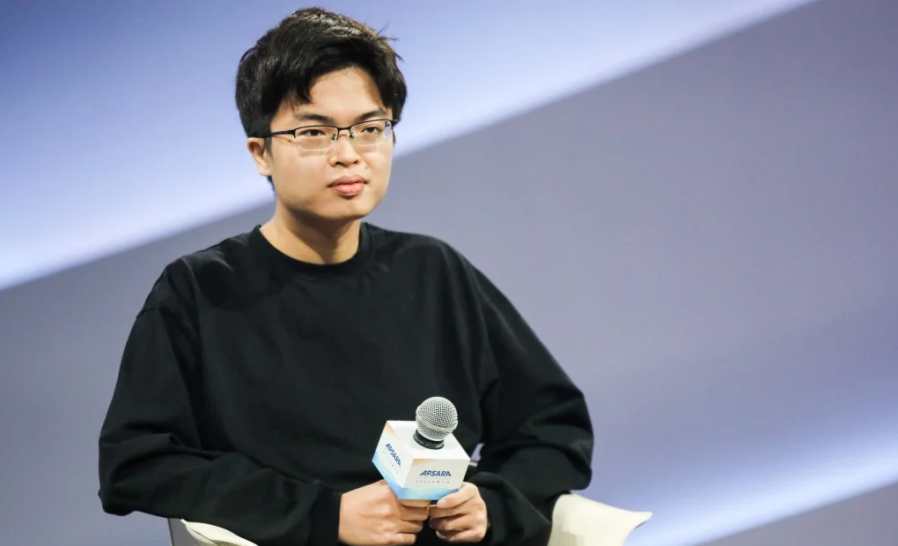
Moonshot's Kimi 3 Takes Aim at Claude: China's Ambitious Play to Match Anthropic's Frontier AI
Chinese AI startup Moonshot is preparing to launch Kimi 3, a model with up to 3 trillion parameters that could fundamentally reshape the competitive landscape in large language models. The upcoming release signals Beijing's determination to compete directly with Anthropic's most advanced offerings.

Why Artificial Intelligence Still Can't Match the Learning Power of a Six-Month-Old
Despite remarkable breakthroughs in machine learning, AI systems remain fundamentally inferior learners compared to human infants. The solution to building truly intelligent machines may lie in understanding how babies' brains achieve extraordinary learning efficiency with minimal data.

Apple Takes Legal Action Against OpenAI Over Alleged Theft of Proprietary Hardware Intelligence
In a significant escalation of tensions between two of Silicon Valley's most prominent tech giants, Apple has filed suit against OpenAI, claiming the AI company systematically recruited Apple engineers and convinced them to smuggle confidential hardware designs, prototype specifications, and sensitive supply chain information. The lawsuit underscores growing concerns about competitive intelligence gathering and employee poaching practices within the artificial intelligence industry.

Why Gene Editing's Greatest Challenge Isn't Scientific—It's Equitable
CRISPR's latest medical breakthrough represents a watershed moment for genetic therapy, yet the technology's real test lies in preventing it from becoming another healthcare luxury reserved for the wealthy. As gene editing moves from laboratory triumph to clinical reality, the fundamental question isn't whether it works—it's whether everyone can access it.

The Case for Consent-First AI: Why Opt-In Should Be the Default, Not the Exception
Tech companies continue shipping powerful AI features with opt-out toggles buried in settings, treating consent as theater rather than genuine choice. It's time to make opt-in the standard for any feature that processes user data or poses privacy and security implications.

San Francisco Takes Aggressive Stance Against AI Deepfake Apps, Demands Apple and Google Remove Nudification Tools
San Francisco's City Attorney has escalated enforcement against exploitative AI technology by issuing cease-and-desist letters to Apple and Google, demanding the removal of 13 face-swap applications used predominantly to create non-consensual intimate imagery. The action represents a significant regulatory turning point in the battle against deepfake harassment targeting women and minors.

OpenAI's Quirky Hardware Play: Inside the ChatGPT Basketball Strategy
OpenAI is venturing beyond software with an unexpected hardware debut that includes an oddball product: a ChatGPT-branded basketball. This unconventional merchandise move reveals the company's broader strategy to build brand loyalty and expand revenue streams beyond its core AI services.